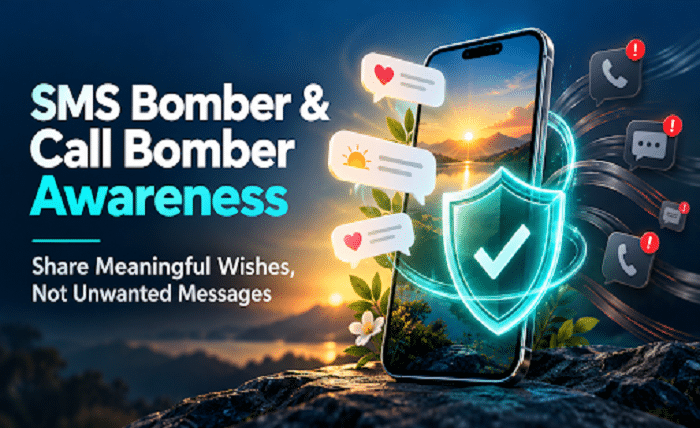
A thoughtful message can make someone’s morning brighter. A birthday greeting can remind a friend that they matter. A festival wish can bring relatives closer, even when they live in different cities or countries. Whether you share Hindi suvichar, Marathi good morning messages, motivational quotes, or simple English greetings, the purpose is usually the same: to make a positive connection.
However, meaningful communication also requires respect for the person receiving it. A greeting feels different when it arrives once with care than when someone’s phone repeatedly rings or fills with unwanted notifications.
This is where understanding terms such as SMS bomber and call bomber becomes useful. These terms describe tools or activities associated with flooding a phone number with messages or calls. They should not be confused with ordinary greeting services or responsible ways of staying in touch.
For people who enjoy sharing wishes, quotes, and daily thoughts, the connection is straightforward: positive communication should support someone’s peace of mind. Understanding messaging etiquette and unwanted phone activity helps us preserve that purpose.
Why Wishes and Positive Messages Matter
People share good morning wishes and inspirational thoughts for many reasons. Some want to encourage a friend before a difficult day. Others use festival greetings to maintain family relationships. A short message can also help someone express feelings they find difficult to say aloud.
Language adds another layer of meaning. A Marathi suvichar might feel especially personal to a grandparent. A Hindi quote may capture a familiar cultural sentiment. An English greeting can help friends from different backgrounds connect.
The most memorable message is not necessarily the longest or most decorative. Often, it is the one that suits the recipient’s situation.
For example, “Good morning! Wishing you confidence for your interview today” shows attention to someone’s life. Sending the same generic image repeatedly does not add that personal touch.
Good wishes work best when they consider three things: what the person needs, when the message arrives, and whether they welcome it.
What Does SMS Bomber Mean?
The term SMS bomber generally refers to a tool or process used to trigger a large number of text messages to a phone number within a short period. Depending on the activity involved, the messages may include verification texts, service notifications, or other unwanted SMS traffic.
From the recipient’s perspective, the experience can be confusing and disruptive. Their phone may keep vibrating. Useful messages may become difficult to find. They may worry that someone is attempting to access their accounts.
An SMS flood does not, by itself, prove that an account has been compromised. However, unexpected verification messages deserve attention, particularly when they relate to services the recipient actually uses.
There is also a clear difference between sharing greetings and overwhelming a number with automated messages. Sending a festival wish to someone who welcomes it is ordinary communication. Generating repeated unwanted texts takes away the recipient’s control over that interaction.
Calling the activity a joke does not remove its effect on the person receiving it.
What Does Call Bomber Mean?
The term call bomber generally describes a tool or activity used to trigger repeated calls to a phone number. Calls may arrive close together, making it difficult for the recipient to use their phone comfortably.
Repeated unwanted calls can interrupt work, study, sleep, family time, or travel. They can also make it harder to notice an important call from a relative, customer, school, or delivery service.
For someone who depends on their phone professionally, the disruption may be more than an inconvenience. A small business owner could struggle to distinguish customers from unwanted callers. A caregiver may feel anxious about missing a family emergency.
The important issue is the repeated, unwanted interruption. Whatever name a website gives the activity, responsible communication respects the recipient’s ability to choose when and how to respond.
Greeting Messages, Excessive Messaging, and Phone Flooding
Not every annoying message is an SMS bombing incident. Sometimes a friend forwards too many pictures. Sometimes a busy family group generates dozens of notifications. Sometimes promotional messages arrive from a service a person previously joined.
These situations can still require boundaries, but they are not all the same.
| Type of communication | Typical characteristics | Appropriate response |
| Thoughtful greeting | Relevant, occasional, and welcomed | Reply when convenient |
| Excessive personal messaging | Repeated forwards or frequent follow-ups | Explain preferences or mute notifications |
| Unwanted promotional messaging | Marketing the recipient no longer wants | Use verified unsubscribe or reporting options |
| SMS flooding | A sudden burst of unwanted texts | Filter messages, document the activity, and check relevant accounts |
| Repeated unwanted calls | Persistent interruptions from one or multiple numbers | Use call controls and seek provider support if needed |
Recognizing the difference helps people respond proportionately. A relative who sends too many good morning images may simply need a polite conversation. A sudden flood of verification texts calls for a different approach.
Good Morning Message Etiquette That Respects Everyone
Sharing daily wishes can be a pleasant routine, but a routine should remain welcome to both people involved.
Start by considering timing. Your morning may be someone else’s sleeping time, especially if they live abroad or work night shifts. Unless you know their schedule, avoid expecting an immediate response.
Next, consider frequency. One thoughtful message is usually enough. Sending several images, voice notes, and follow-up texts can turn a warm greeting into another task on the recipient’s phone.
Personalization helps too. You do not need to write a long paragraph. Mentioning something relevant to the person’s day can make a short greeting feel sincere.
Finally, accept silence without pressure. Someone may appreciate a message and still be unable to reply. A delayed response is not an invitation to keep sending notifications.
A greeting should give encouragement freely, without creating an obligation.
How to Share Festival Wishes Thoughtfully
Festivals often bring a surge of greetings across family groups, community chats, and personal messages. Sharing happiness is part of the occasion, but considerate habits make the experience better for everyone.
Choose a greeting that suits the recipient. People celebrate different traditions, and a respectful message should reflect what you know about them rather than assume everyone observes the same festival.
Avoid sending the same greeting repeatedly through several channels. If you have already wished someone in a personal message, there is usually no need to follow it immediately with an SMS and multiple calls.
Be careful when creating greeting groups. Adding people without asking may expose their phone numbers to unfamiliar members on platforms where those details are visible.
Also, avoid forwarding uncertain announcements or suspicious offers alongside wishes. A festive image does not make an attached link trustworthy.
The strongest festival greeting carries warmth, cultural respect, and a little attention to the recipient’s preferences.
Why Repeated Notifications Can Affect Daily Life
A phone is more than a place for casual conversation. It may hold work communications, school updates, banking alerts, travel details, and family messages.
When repeated unwanted calls or texts arrive, they compete with all those legitimate uses. A person may begin checking every notification out of concern, even when most contain nothing useful.
The disruption can be especially difficult during an exam, an important meeting, or a period of rest. People who are waiting for urgent news may also find it hard to silence their phones completely.
This is why “just ignore it” is not always a helpful response. The recipient may need their device to remain available.
Respectful messaging recognizes that access to someone’s number does not mean unlimited access to their attention.
What to Do If You Receive an Unexpected SMS Flood
If your phone suddenly receives many unwanted messages, begin by looking at the pattern. Are the texts coming from one sender or several? Do they contain verification codes? Are there account alerts among them?
Avoid clicking unfamiliar links or replying with personal information. Never share verification codes with someone who contacts you and claims they can stop the messages.
If a message appears to concern an account you use, check that account through its official app or by entering the website address yourself. Review available security notifications and account activity. Do not rely on links in an unexpected text.
Use your phone’s available spam filtering or notification controls to reduce interruptions. The options will depend on your device and messaging app.
Keep a few screenshots and note when the activity began. You do not need to manually save every message, but a clear record can help explain the problem to your mobile provider.
If the flood continues, contact your provider through a verified support channel and describe what you are receiving.
How to Handle Repeated Unwanted Calls
Repeated calls can make a phone difficult to use, but there are several ways to reduce the interruption.
First, use the call controls available on your device. These may include blocking particular numbers, identifying suspected spam, or temporarily silencing unknown callers.
Consider the tradeoff before silencing all unfamiliar numbers. If you are expecting a delivery, a new customer, or an important callback, legitimate callers may also be affected.
A temporary focus or do-not-disturb setting may help you protect work or rest while allowing selected contacts to reach you. Check your device’s settings carefully so the configuration suits your circumstances.
Save relevant call logs if the activity is persistent. Record the approximate start time, frequency, and any associated messages or threats.
Contact your mobile provider if device settings do not adequately reduce the disruption. If the calls form part of threats or targeted harassment, preserve the evidence and seek help through appropriate local reporting channels.
Avoid retaliating with more unwanted calls. That adds disruption without restoring control.
Protecting Your Phone Number When Sharing Wishes Online
Public greeting pages and community groups can help people connect, but phone numbers deserve care.
Before leaving your number in a public comment, ask whether it needs to be visible. A request for a festival image or a quote usually does not require publishing personal contact details.
Be cautious with unfamiliar pages that request a number before allowing you to download a greeting. Consider whether the request makes sense and whether you trust the service.
Respect other people’s information too. Do not share a friend’s number publicly or add it to a mailing list without their permission.
When organizing a celebration or community event, choose communication arrangements that match the participants’ expectations. Explain why you are collecting contact details and how you intend to use them.
These habits cannot prevent every unwanted contact, but they reduce unnecessary exposure and support trust.
Parents, Students, and Friends: Keep Humor Respectful
Young people may encounter phone-flooding tools presented as pranks. The language around them can make the disruption sound harmless, especially when friends encourage one another to try something “just for fun.”
A useful conversation focuses on the recipient’s experience. Would they welcome the activity? Could it interrupt something important? Can they stop it easily? Would the sender still find it funny if they were the person receiving the calls?
Consent should be specific. Friendship, a shared group, or an earlier joke does not establish permission for repeated automated contact.
There are plenty of ways to be playful without overwhelming someone’s phone. A funny greeting, a personalized birthday poem, or a humorous Marathi ukhane can create laughter while leaving the recipient comfortable.
Good humor brings people into the joke willingly.
Choose Positive Communication Over Notification Volume
The value of a wish comes from its meaning, not the number of times it appears on a screen.
Before sending a message, pause for a moment. Is it useful, kind, or relevant? Is this a reasonable time? Have you already sent the same thing? Has the person asked for fewer messages?
These simple questions apply to good morning images, motivational thoughts, festival wishes, and everyday conversation.
Understanding SMS bomber and call bomber activity reinforces the same principle: communication should leave people with choice and control. A phone number belongs to a person with responsibilities, preferences, and a life beyond the screen.
Send the greeting that makes someone smile. Give them space to respond. That is how a small message becomes a meaningful connection.
Frequently Asked Questions
Is sending several good morning messages the same as SMS bombing?
Usually, no. A few personal messages are different from an automated flood of texts. However, repeated greetings can still become unwelcome, so respect the recipient’s preferences and requests to stop.
Does receiving unexpected verification texts mean my account was hacked?
Not necessarily. Someone may have entered your number without successfully accessing an account. Check relevant services through their official apps or websites, review available account activity, and keep verification codes private.
Can blocking one number stop all unwanted calls or messages?
It may help when the contact comes from a single number. It may be less effective when multiple numbers or sender identities are involved. Device filtering and mobile-provider support may offer additional options.
What is the most respectful way to share daily wishes?
Send a relevant message at a considerate time, keep the frequency reasonable, and avoid demanding a reply. If you are unsure whether someone enjoys daily greetings, ask them.
Should a recipient respond to unwanted phone flooding with a similar prank?
No. Retaliation creates additional disruption. Focus on reducing interruptions, preserving useful evidence, checking relevant accounts, and obtaining support where needed.