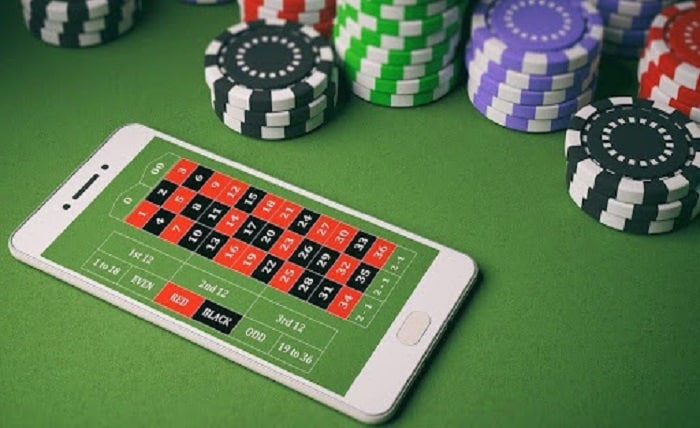
Mobile technology has changed the way people interact with digital entertainment. Games that once required a desktop computer or dedicated gaming device can now be accessed through smartphones and tablets, making gaming more convenient and portable than ever.
Goa Games is a useful example of how mobile-first gaming experiences are becoming part of this broader shift. With smartphones offering better displays, faster processors, improved internet connections, and increasingly capable browsers and apps, players can access gaming platforms from many different situations.
But mobile technology is about more than simply putting games on a smaller screen. It has influenced how games are designed, how users access their accounts, and what people expect from a modern gaming experience.
The Growth of Mobile Gaming
Mobile gaming has grown alongside the rapid adoption of smartphones. Unlike traditional gaming platforms, phones are devices that people already carry throughout the day. This makes them a natural way to access casual and online games.
A modern smartphone can handle much more than basic applications. Better processors and graphics capabilities allow developers to create smoother interfaces, animations, and interactive experiences.
Another important factor is internet connectivity. Faster mobile networks and widely available Wi-Fi allow games and gaming platforms to communicate with online services more efficiently.
For users, this means fewer limitations based on location or hardware. A person may be able to access a game during a break, while traveling, or from home without needing a separate computer.
How Mobile Technology Has Changed Goa Games
The influence of mobile technology can be seen in several parts of the gaming experience. Developers now have to consider touch controls, different screen sizes, mobile browsers, connection speeds, and battery consumption.
Touchscreen-Friendly Design
One of the biggest differences between desktop and mobile gaming is the control system. Instead of relying on a keyboard and mouse, smartphone users generally interact through taps, swipes, and other touch gestures.
A well-designed mobile gaming interface keeps important buttons easy to identify and reach. Small or crowded controls can make an otherwise enjoyable game frustrating.
For example, a player using a phone with one hand may need buttons positioned so they can be reached comfortably without covering important information on the screen.
Faster Access
Mobile technology has also changed expectations around access. Users generally want websites and applications to load quickly and allow them to move between different sections without unnecessary steps.
This is particularly important for online gaming platforms. A complicated registration or login process can discourage users before they even explore the available features.
A simple mobile experience can therefore make a significant difference. Clear menus, readable text, responsive pages, and straightforward navigation all contribute to usability.
Better Graphics and Performance
Smartphone hardware has improved dramatically over the years. Many current devices include powerful processors, high-resolution displays, and dedicated graphics capabilities.
These improvements give developers more flexibility when designing games. Visual elements can be more detailed, animations can be smoother, and interfaces can respond more quickly to user actions.
However, better graphics do not automatically mean a better gaming experience. Developers also need to optimize games for different devices.
A game that works well on an expensive flagship phone may perform differently on an older or budget device. Good mobile design considers a wide range of hardware rather than assuming every player owns the newest smartphone.
The Importance of Internet Connectivity
Online gaming depends heavily on a stable internet connection. Mobile technology has made internet access much more widely available, but connection quality can still vary considerably.
Wi-Fi may provide a stable experience at home, while mobile data can be useful when a player is away from a fixed connection. Network performance can also change depending on location, congestion, and signal strength.
For this reason, developers often try to reduce unnecessary data usage and make their platforms efficient.
Users can also improve their experience by:
- Using a reliable Wi-Fi or mobile data connection
- Keeping their browser or gaming application updated
- Closing unnecessary background applications
- Checking whether their device has enough free storage
- Avoiding gaming when the device is overheating
These simple steps can help reduce performance problems.
Mobile Gaming and Convenience
Convenience is one of the strongest advantages of mobile technology. A smartphone does not require a user to sit at a desk or carry additional gaming hardware.
This flexibility has influenced how people consume digital entertainment. Instead of scheduling a specific period for gaming, some users may play for shorter periods throughout the day.
For example, someone might spend a few minutes playing during a break rather than starting a long gaming session. This has encouraged developers to think about shorter interactions and easy-to-understand interfaces.
Goa Games and similar mobile-oriented platforms operate within this broader environment, where accessibility and convenience are important parts of the user experience.
Security and Responsible Use
Greater accessibility also creates responsibilities for both users and gaming platforms. When people access online services through smartphones, protecting accounts and personal information becomes increasingly important.
Users should choose strong, unique passwords and avoid sharing account credentials with other people. They should also be careful when downloading applications or visiting unfamiliar websites.
Before using an online gaming service, it is sensible to check:
- Whether the website uses a secure connection
- What information the service requests
- Whether official contact or support information is available
- The platform’s terms and conditions
- Any applicable age or regional restrictions
Players should also understand the rules that apply to online gaming in their country or region. Where real money or prizes are involved, additional legal and financial considerations may apply.
The Role of Mobile Browsers
Not every gaming experience requires a dedicated application. Modern mobile browsers can support increasingly sophisticated websites, allowing users to access online services without installing additional software.
This can be useful for people who want to avoid filling their phone with applications. Browser-based platforms can also make updates easier because changes can often be delivered directly through the website.
However, browser performance can depend on the device, operating system, browser version, and internet connection. Keeping these components updated can help provide a smoother experience.
What Makes a Good Mobile Gaming Experience?
Technology alone does not determine whether a mobile game is enjoyable. Good design combines performance, accessibility, clarity, and reliability.
A strong mobile gaming experience usually includes:
Simple Navigation
Users should be able to understand where to go without studying complicated menus. Important sections should be clearly labeled and easy to find.
Responsive Layout
The interface should adjust properly to different screen sizes. Text and controls should remain readable on both smaller smartphones and larger tablets.
Stable Performance
Pages should load efficiently, and interactions should respond without unnecessary delays. Developers should test their platforms across different devices and network conditions.
Clear Information
Players should be able to understand what a feature does before using it. Clear instructions reduce confusion and make the platform easier for newcomers.
Challenges Created by Mobile Technology
Despite its advantages, mobile gaming also has limitations. Small screens can make complex interfaces harder to use, while battery consumption can become a concern during longer sessions.
Data costs may also matter for users with limited mobile plans. Large downloads, frequent updates, or graphics-heavy games can consume significant amounts of data and storage.
Another issue is distraction. Because smartphones are used for messaging, social media, work, and entertainment, gaming notifications can interrupt other activities.
Responsible use is therefore important. Setting reasonable playing limits and taking regular breaks can help maintain a healthy balance between gaming and everyday responsibilities.
The Future of Mobile Gaming
Mobile technology is likely to remain an important part of the gaming industry. Smartphone hardware continues to develop, while internet infrastructure is becoming more capable in many regions.
Cloud-based gaming, improved browser technologies, faster networks, and more advanced mobile processors could create additional opportunities for developers.
At the same time, the fundamentals are unlikely to change. Players will continue to value games that are easy to access, responsive, secure, and enjoyable.
Platforms such as Goa Games are part of a larger mobile gaming environment where convenience plays an important role. The long-term success of any platform, however, depends on more than mobile accessibility. User experience, reliability, security, responsible practices, and compliance with applicable laws all matter.
Conclusion
Mobile technology has transformed gaming by making digital entertainment more accessible, portable, and flexible. Improvements in smartphones, internet connectivity, browsers, and mobile software have allowed developers to create experiences that fit naturally into everyday life.
Goa Games reflects this wider movement toward mobile-friendly gaming, where users increasingly expect simple navigation, responsive design, and convenient access. As technology continues to improve, the gaming industry will likely keep adapting to changing user expectations.
For players, the best approach is to choose platforms carefully, protect personal information, understand the applicable rules, and use gaming services responsibly. Technology can make gaming more convenient, but a positive experience ultimately depends on how that technology is designed and used.